
The health and wellness industry hit $6.8 trillion globally in 2024, and honestly, a huge chunk of that growth happened online. If you’ve been wondering why so many supplement brands, fitness companies, and wellness startups seem to pop up overnight—Shopify is usually the engine behind them.
But here’s the thing: just having a Shopify store doesn’t guarantee success. I’ve watched dozens of wellness brands launch with beautiful websites only to fizzle out within months. Meanwhile, others scale to seven figures in their first year. What’s the difference?
Let’s break down exactly what thriving health and wellness businesses do differently on Shopify.
They Don’t Just Sell Products—They Sell Transformation
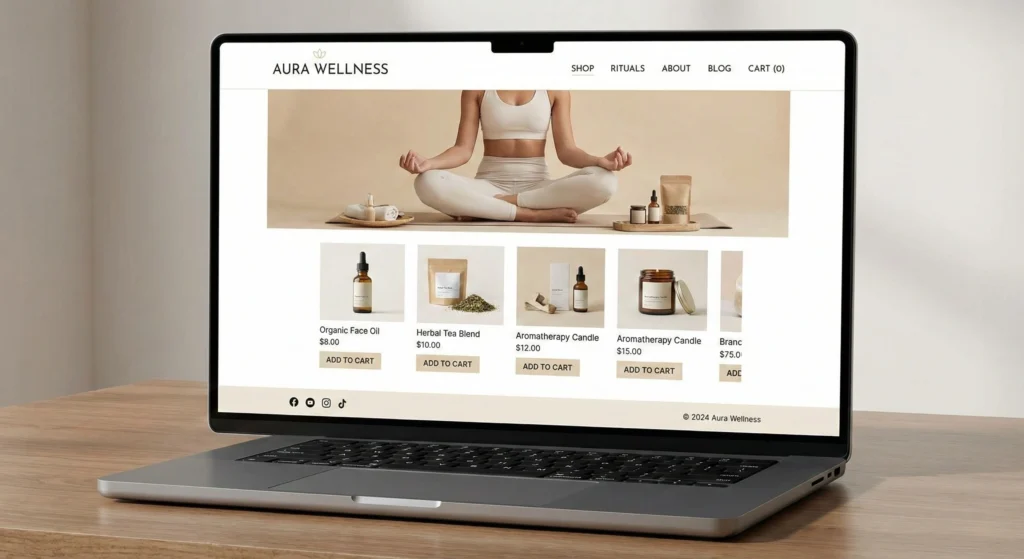
Walk into any successful wellness brand’s Shopify store, and you’ll notice something immediately. They’re not listing features. They’re painting a picture of who you become after using their products.
Take Athletic Greens (now AG1) as an example. Their entire store experience focuses on one thing: simplifying your health routine. They don’t bombard you with ingredient lists on the homepage. Instead, they lead with the outcome—feeling better, having more energy, covering your nutritional bases without swallowing 15 different pills.
This mindset shift changes everything about how these brands structure their Shopify stores:
- Homepage banners feature real customers, not just product shots
- Product descriptions read like conversations, not spec sheets
- The checkout process reminds you why you’re making this purchase
Subscription Models Are Non-Negotiable
Here’s a number that might surprise you: subscription businesses have a 70% higher customer lifetime value compared to traditional one-time purchase models. Some research even suggests subscription models can achieve 2-3x higher CLV than transactional businesses.
Successful health businesses on Shopify almost always integrate subscription apps like Recharge, Bold Subscriptions, or Skio. But they’re smart about it. They don’t just slap a “subscribe and save 10%” button and call it a day.
What works better:
Flexible frequencies. Someone taking a daily vitamin needs monthly delivery. Someone using a protein powder might need it every 6 weeks. Smart brands let customers choose.
Easy modification. The moment someone feels trapped in a subscription, they cancel. Brands like Ritual make it dead simple to skip, pause, or adjust—right from a Shopify-powered customer portal.
Genuine savings. 5% off doesn’t move the needle. 15-20% makes people actually commit.
Content and Commerce Live Together
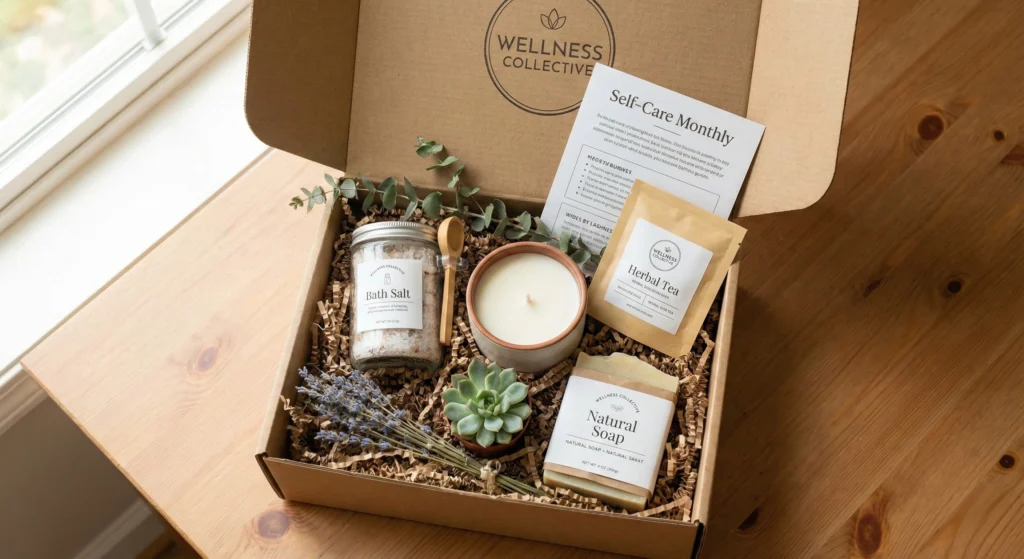
One pattern I keep seeing with successful wellness Shopify stores: their blogs aren’t afterthoughts. They’re traffic machines.
Brands like Bulletproof and Moon Juice have built massive organic search presence by creating genuinely useful content. We’re talking detailed articles about adaptogens, sleep optimization, gut health—topics their customers are actively Googling.
Here’s how they connect content to commerce on Shopify:
They use apps like Yotpo or Stamped to display reviews directly within blog posts. Someone reading about magnesium benefits sees real customer testimonials about the magnesium product right there in the article.
Product recommendations feel natural, not pushy. A post about morning routines might mention their matcha blend once, with a subtle link. That’s it.
They capture emails through content-specific lead magnets. Reading about stress management? Here’s a free 5-day calm challenge—just enter your email.
Trust Signals Are Everywhere (But Not Annoying)
Wellness is a trust business. People are putting things in their bodies based on what you tell them. Successful Shopify wellness stores understand this deeply.
What I’ve noticed top performers do:
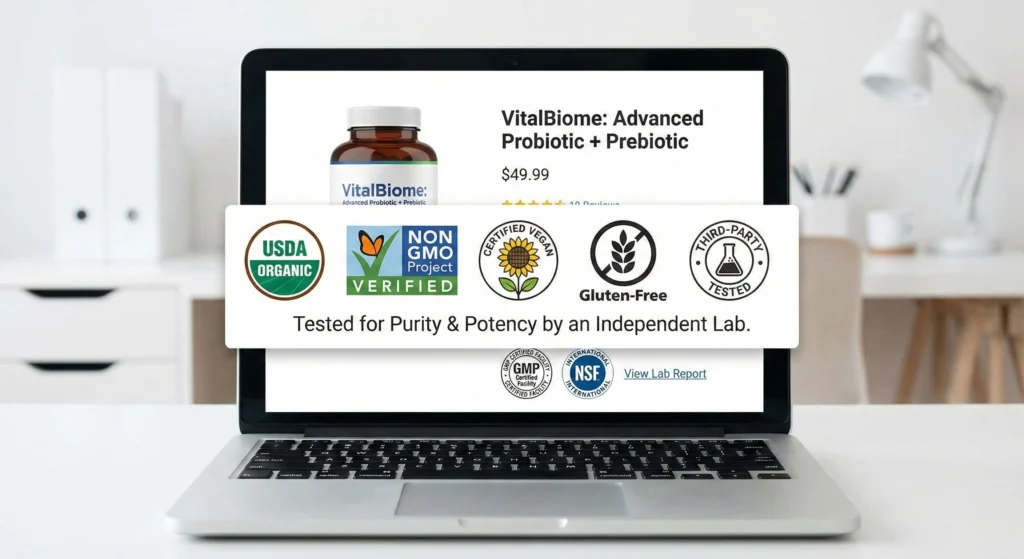
Third-party testing badges. If your supplements are NSF Certified, USP Verified, or third-party tested, that information appears on product pages, in the cart, and sometimes even in the header.
Transparent ingredient sourcing. Brands like Thorne don’t hide where ingredients come from. They’ll tell you the exact farm their turmeric comes from, why it matters, and link to the research.
Real customer photos. Not just polished influencer shots. Actual customers, in their actual kitchens, with your actual product. User-generated content apps like Loox or Okendo make this easy to collect and display.
Mobile Experience Gets Priority Treatment
Here’s a stat that should change how you think about your store: over 75% of ecommerce traffic now comes from mobile devices. For some wellness categories, it’s even higher.
Successful health brands optimize their Shopify stores for thumb-scrolling, not mouse-clicking:
- Sticky add-to-cart buttons that follow you down the page
- Product images you can actually see details on without zooming
- Checkout flows that require minimal typing (hello, Shop Pay)
- Quick-view options so customers don’t have to load new pages constantly
The brands crushing it test their mobile experience obsessively. They literally sit with their phones and try to buy their own products. If anything feels clunky, they fix it.
They Leverage Shopify’s App Ecosystem Strategically
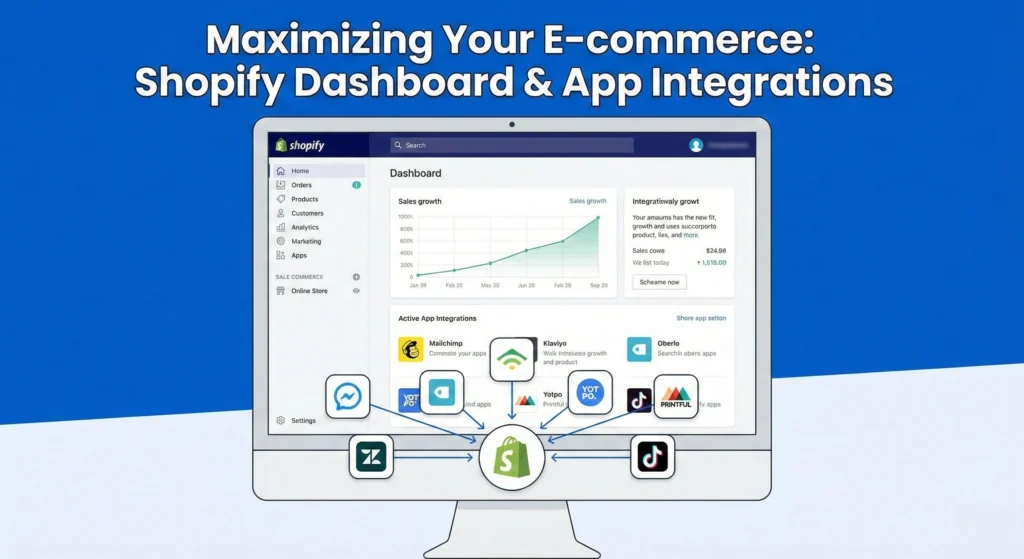
Shopify’s app store has over 12,000 apps. Successful wellness brands don’t install 47 of them. They pick maybe 8-10 that actually move the needle.
The essentials I see repeatedly:
Email/SMS marketing: Klaviyo dominates this space for a reason. Automated flows for abandoned carts, post-purchase education, and win-back campaigns.
Reviews: Either Yotpo, Judge.me, Okendo, or Stamped. Reviews are oxygen for wellness brands.
Subscriptions: Recharge or Bold, depending on complexity needs.
Loyalty programs: Smile.io or LoyaltyLion help turn one-time buyers into repeat customers.
Quiz/personalization: Brands like Care/of built their entire business on product recommendation quizzes. Apps like Octane AI bring this functionality to any Shopify store.
Customer Education Doesn’t Stop at Purchase
The wellness brands that retain customers don’t just send shipping confirmations and disappear. They teach.
After someone buys a probiotic, they receive a 5-email sequence explaining how gut health works, when to expect results, and what to pair with the supplement for better absorption.
This happens through Shopify’s native email tools or integrated apps like Klaviyo. But the key is the mindset: every customer is starting a journey, not completing a transaction.
Some brands even include QR codes on packaging that link to Shopify-hosted landing pages with video tutorials, recipe guides, or usage tips.
Influencer and Affiliate Programs Are Built-In
Nearly every successful wellness brand on Shopify runs some form of influencer or affiliate program. The products are visual, the results are shareable, and the margins support commission payouts.
Apps like Refersion, UpPromote, or GoAffPro integrate directly with Shopify to:
- Generate unique discount codes for each influencer
- Track sales attribution automatically
- Handle commission payouts without spreadsheet nightmares
The smart brands don’t just chase mega-influencers. They build armies of micro-influencers (5,000-50,000 followers) who genuinely use and love the products. The authenticity shows.
Final Thoughts
Successful health and wellness businesses don’t use Shopify like a digital vending machine. They use it as a platform for building relationships, educating customers, and creating genuine transformation.
If you’re starting or growing a wellness brand, the playbook is pretty clear:
- Lead with outcomes, not ingredients
- Make subscriptions easy and genuinely valuable
- Create content that serves before it sells
- Build trust through transparency at every touchpoint
- Optimize ruthlessly for mobile
- Choose apps that solve real problems, not shiny objects
- Educate customers long after they’ve purchased
The brands doing this consistently are the ones you keep seeing in your Instagram feed, in podcast ads, and in those “how did this company grow so fast?” articles.
Shopify gives you the tools. What you build with them is up to you.
Looking to launch your own wellness brand? Start with your unique value proposition first, Shopify store second. The platform amplifies what you already have—it doesn’t create it for you.
Sources:
- Global Wellness Institute. (2025). Global Wellness Economy Monitor 2025
- Marketing LTB. (2025). Subscription Statistics 2025
- Capital One Shopping Research. (2025). Mobile eCommerce Statistics
- Meetanshi. (2025). Shopify App Store Statistics
- Opensend. (2025). Customer Lifetime Value for eCommerce

